Pakistan, China Deepen Pharma Cooperation With 10 New MoUs
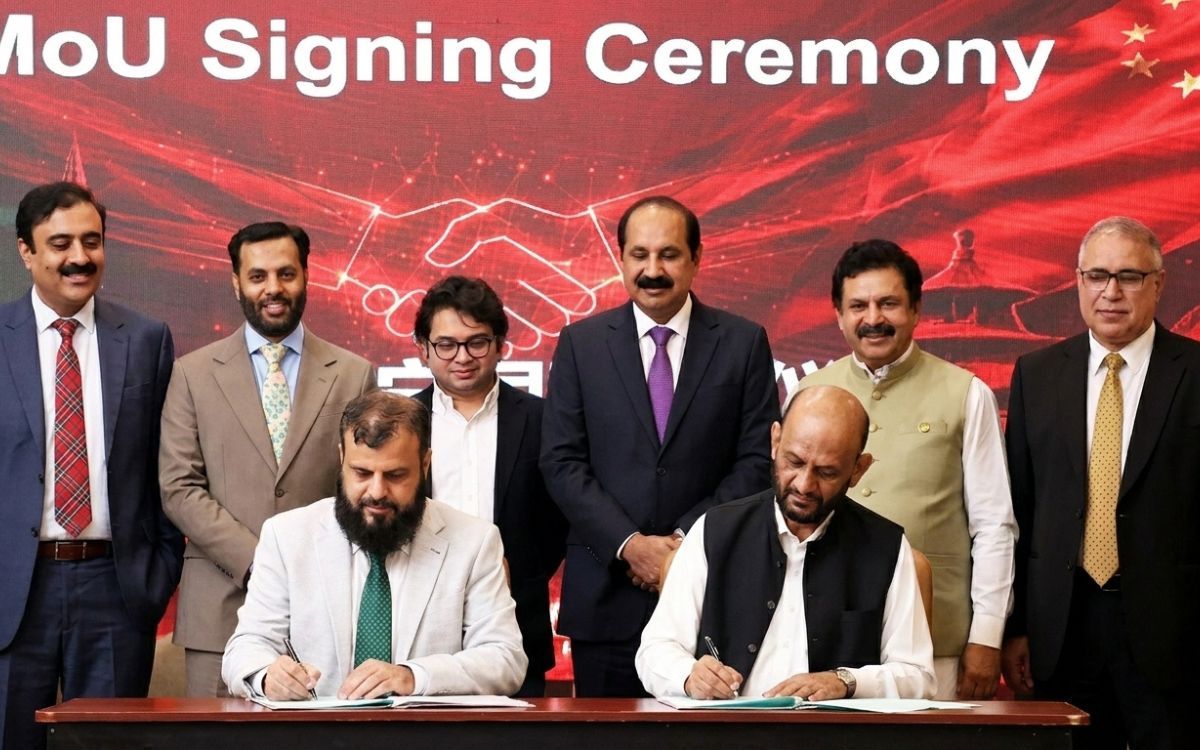
Pakistan’s pharmaceutical sector has taken a significant step toward local manufacturing and healthcare self-reliance after pharmaceutical companies from Pakistan and China signed 10 memorandums of understanding (MoUs) focused on the production of medicine raw materials and vaccines.
The agreements are expected to strengthen collaboration between the two countries in pharmaceutical manufacturing, technology transfer, and investment, while supporting Pakistan’s long-term goal of reducing dependence on imported pharmaceutical products and improving domestic healthcare resilience.
One of the major agreements was signed between Unichem Pharmaceuticals Pakistan and China’s Xinxu Group under an investment partnership valued at nearly Rs10 billion. According to a statement issued by the Ministry of Commerce, the partnership has formally initiated technology transfer for local pharmaceutical manufacturing in Pakistan.
The project will support the domestic production of critical pharmaceutical raw materials, including Omeprazole API, a key active pharmaceutical ingredient currently imported in large quantities. Officials noted that nearly 95 percent of Pakistan’s Omeprazole API demand has historically depended on imports, making local production an important development for the pharmaceutical industry.
The initiative is expected to reduce import dependence, conserve valuable foreign exchange reserves, and strengthen the country’s pharmaceutical supply chain against global disruptions. Industry stakeholders also see the agreements as an opportunity to expand local industrial capacity and encourage further foreign investment in healthcare manufacturing.
Another important agreement was signed between Lucky Core Group and Chinese pharmaceutical companies, reflecting broader industrial cooperation between Pakistan and China in the healthcare and pharmaceutical sectors.
Speaking at the MoU signing ceremony in Islamabad, Federal Minister for National Health Services Syed Mustafa Kamal described the occasion as a historic moment for Pakistan’s healthcare industry. He said local manufacturing of pharmaceutical raw materials represented a long-awaited achievement for the country.
The minister emphasized that healthcare self-reliance can only be achieved through technology transfer, industrial collaboration, and local manufacturing capabilities. He stated that domestic API production would help improve medicine affordability while ensuring greater supply security in the long run.
The event also marked progress in local poultry vaccine manufacturing. Kamal noted that Pakistan currently imports poultry vaccines worth approximately $4.5 million annually, highlighting the importance of developing domestic vaccine production facilities.
Discussing broader healthcare preparedness, the minister said Pakistan currently provides free vaccines for 13 diseases to children under international immunisation support programs. However, these subsidised global arrangements are expected to conclude by 2030, after which Pakistan will need to independently finance vaccine procurement at an estimated annual cost of $1.2 billion.
He stated that the government is therefore prioritising local vaccine manufacturing capacity ahead of 2030 to reduce strategic reliance on external supply chains and strengthen national healthcare security.
Referring to the Covid-19 pandemic, Kamal said vaccines had played a critical role in reducing mortality worldwide and added that future medical breakthroughs, including vaccines for diseases such as cancer, could significantly transform global healthcare outcomes.
The MoU signing ceremony was organised through collaboration between the Ministry of National Health Services, Regulations and Coordination, the Drug Regulatory Authority of Pakistan, the One Station China Desk, and the office of Parliamentary Secretary for Commerce Dr. Zulfiqar Ali Bhatti.