Chinese Energy Projects Strengthen Pakistan Amid Global Crisis
As global energy markets face mounting disruptions driven by geopolitical tensions in the Middle East and the closure of critical supply routes such as the Strait of Hormuz, Pakistan is demonstrating resilience through its long-standing energy partnership with China. Projects developed under the China-Pakistan Economic Corridor are playing a vital role in reducing the country’s dependence on imported fuels while strengthening indigenous and renewable energy capacity.
In an exclusive conversation with Gwadar Pro, Shah Jahan Mirza, Managing Director of the Private Power and Infrastructure Board (PPIB), highlighted the transformation of Pakistan’s energy landscape over the past decade. He noted that when CPEC was launched around 2013–14, Pakistan was grappling with severe electricity shortages, with up to 12 hours of load shedding even in major cities like Islamabad.
Through fast-tracked collaboration between Chinese enterprises and Pakistani institutions, power generation projects were rapidly developed to address the crisis. While initial projects relied on imported fuels to meet urgent demand, the long-term vision of CPEC has remained focused on harnessing Pakistan’s local resources.
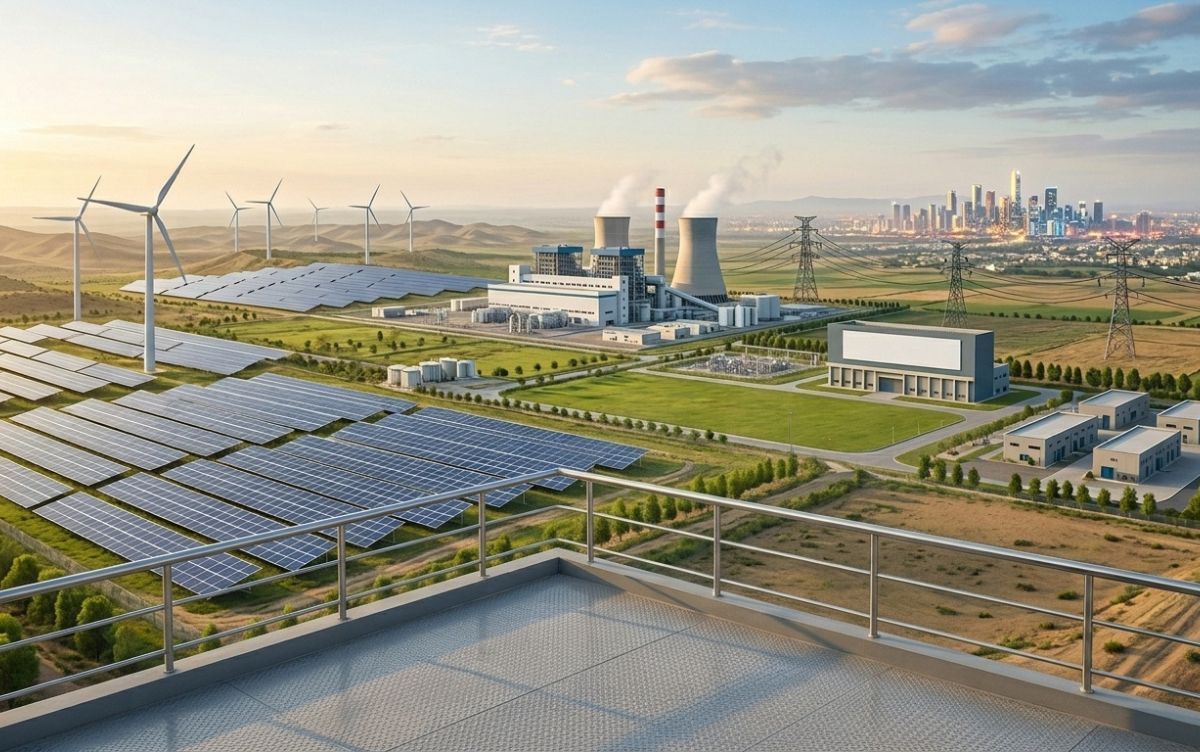
A major milestone in this transition has been the development of Thar coal, an indigenous energy source that has contributed approximately 3,300 MW of power generation capacity. Alongside this, renewable energy projects—including wind, solar, and hydropower—have expanded significantly. Around 1,400 MW of solar and wind capacity has already been installed under CPEC, while major hydropower initiatives such as the Suki Kinari Hydropower Project and the Karot Hydropower Project have further strengthened the country’s clean energy mix.
These developments have been instrumental in reducing reliance on costly imports like oil and LNG, while conserving foreign exchange and ensuring a more stable and self-sufficient power supply. Renewable energy sources, being locally available, are less vulnerable to international crises and market volatility.
Solar energy, in particular, has witnessed remarkable growth in Pakistan. The expansion of net metering and rooftop solar systems has enabled consumers to both generate and supply electricity to the grid. With government incentives and declining equipment costs, approximately 7,200 MW of grid-connected solar capacity has been achieved, while an estimated 14,000–15,000 MW exists in off-grid installations. Pakistan’s abundant sunlight has made solar one of the most cost-effective energy sources in the country.
China’s role extends beyond financing, encompassing technology transfer and equipment supply. A significant proportion of solar systems installed in Pakistan are manufactured in China, offering efficient, affordable, and reliable solutions. Chinese companies are also expected to play a leading role in future investments, particularly in solar and wind energy projects outlined in Pakistan’s long-term energy plans.
As renewable energy capacity grows, the need for a modern and resilient grid has become increasingly critical. Investments in transmission infrastructure, digitization, and grid stability are essential to manage the intermittent nature of renewable sources. China has already contributed significantly in this area, including the development of a high-capacity transmission line from Matiari to Lahore, enhancing the country’s power distribution capabilities.
Looking ahead, energy storage is emerging as a key focus area. Battery storage systems are gaining traction as a solution to store excess daytime energy for use during peak evening demand. With declining costs and rapid technological advancements, battery storage is expected to become a major investment avenue, further strengthening Pakistan’s energy resilience.
Overall, CPEC energy projects have not only addressed Pakistan’s historical power shortages but are also positioning the country for a sustainable and secure energy future, even amid global uncertainties.