Thar Coal Reforms Set to Reduce Costs and Improve Energy Efficiency
Pakistan’s Power Division has introduced a comprehensive set of reforms in Thar coal mining operations, aiming to significantly reduce operational costs while improving overall efficiency. The initiative is expected to generate annual savings ranging between $25 million and $30 million, according to the Ministry of Energy (Power Division).
The Thar coal project remains a cornerstone of the China-Pakistan Economic Corridor (CPEC), playing a critical role in enhancing the country’s energy security and decreasing reliance on imported fuels. The latest reforms have been rolled out under the direction of Prime Minister Shehbaz Sharif, alongside the leadership of Federal Minister for Power Sardar Awais Ahmed Khan Leghari, as part of efforts to address operational inefficiencies and rising energy costs.
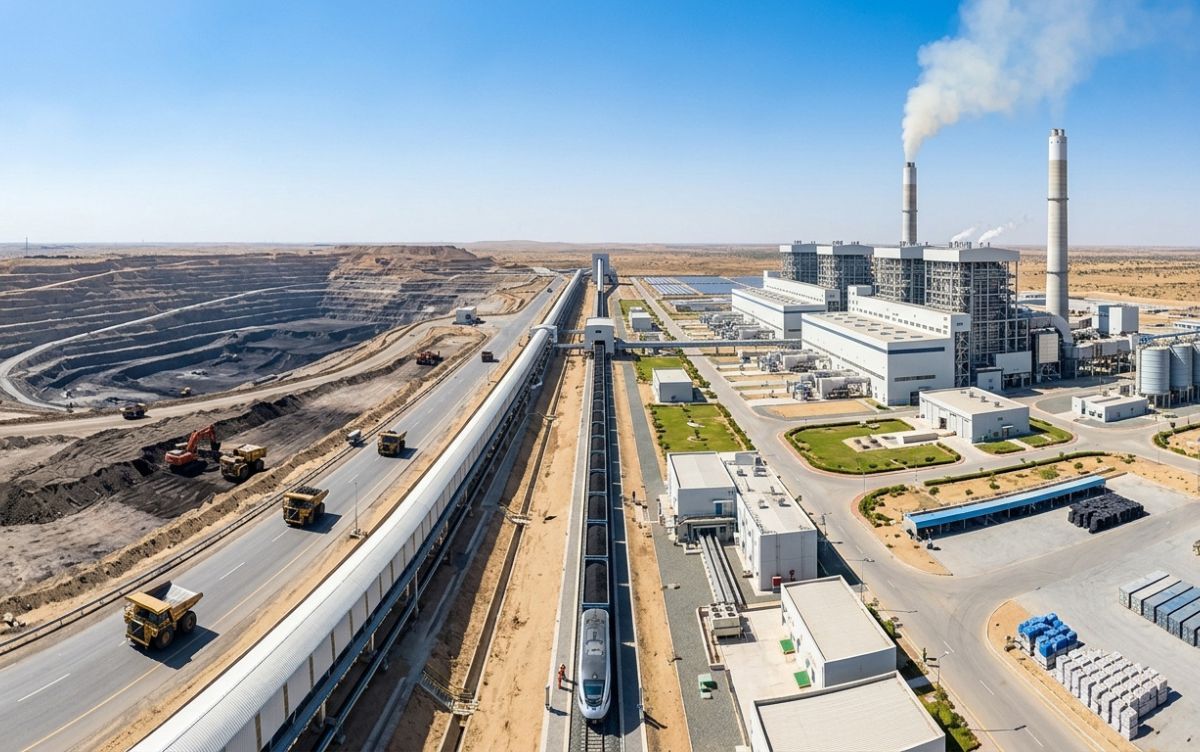
Officials highlighted that the measures will substantially cut diesel consumption in mining activities, leading to lower electricity generation costs and reduced pressure on Pakistan’s foreign exchange reserves. Daily savings from reduced diesel usage are estimated at around Rs25 million, contributing to the projected annual savings in foreign exchange.
In addition, the cost of coal production is expected to decrease by approximately $0.7 per ton, making electricity generated from Thar coal more cost-effective. A major reduction is also anticipated in the cost of power used for mining operations. Currently reliant on diesel-based generation costing nearly 33 cents per kilowatt-hour, the new system is expected to bring costs down to around 13 cents per unit—representing a reduction of more than 60 percent.
One of the primary operational challenges in Thar mining has been the dewatering process, which previously required around 35,000 litres of diesel daily. Overall diesel consumption across mining operations has been recorded between 200,000 and 250,000 litres per day, underscoring the scale of potential savings under the new reforms.
As part of the transition strategy, mining operations will shift from diesel-powered systems to grid-connected infrastructure, supported by an investment of Rs 5.3 billion. This includes the development of a 132kV transmission line connecting the Islamkot Grid Station to mining sites, ensuring a reliable supply of approximately 60 megawatts of electricity.
Beyond cost and efficiency improvements, the reforms are also expected to deliver notable environmental benefits. Annual carbon emissions are projected to decrease by around 80,000 tons as diesel-powered machinery is gradually replaced with electric alternatives. This shift aligns with broader efforts to promote cleaner energy practices and support long-term decarbonisation objectives.
The Power Division noted that these reforms form part of a wider national strategy to enhance energy efficiency, reduce operational costs, and strengthen resilience against global energy market fluctuations, positioning Pakistan’s power sector for more sustainable growth.