Dasu Hydropower Project Launches Hygiene Kit Campaign for Students
The Dasu Hydropower Project (DHPP) has launched a dedicated initiative to distribute health and hygiene kits among school students in its project area, reinforcing its commitment to community welfare and the promotion of healthy living practices among children.
The campaign officially commenced on March 12 with an inaugural ceremony held at Government Centennial Model High School for Boys in Dasu. During the event, hygiene kits were distributed to students, marking the beginning of a broader effort to improve awareness around personal hygiene and encourage healthier daily routines.
Under this program, both boys and girls enrolled in selected schools across the DHPP project area will receive hygiene kits containing essential items for maintaining cleanliness and personal care. The initiative is designed to help students adopt consistent hygiene practices, contributing to improved health outcomes and overall well-being.
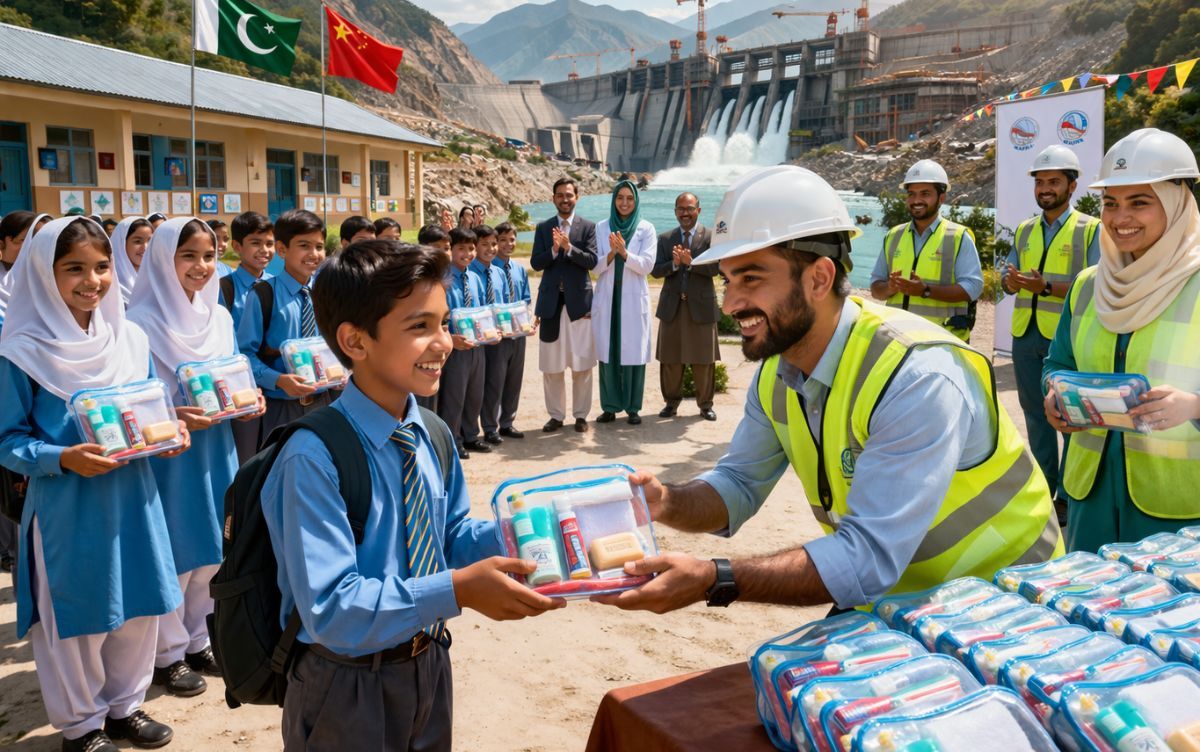
The launch ceremony was attended by Director Social and Resettlement Shoaib ur Rehman Afridi, along with officials from local government bodies and representatives from WAPDA, NESPAK, and DHC. Teachers, health department officials, and a large number of students also participated, reflecting strong community engagement and support for the initiative.
This campaign highlights DHPP’s broader commitment to supporting the education sector while addressing key social needs within the communities surrounding the project. By focusing on children, the initiative aims to create long-term positive impacts through awareness and behavioral change at an early age.
The Dasu Hydropower Project, currently under construction, is one of Pakistan’s largest hydropower developments. Being executed by China Gezhouba Group Company with support from the World Bank, the project is located on the Indus River and is designed as a run-of-river facility.
Once completed in two stages, DHPP will have a total generation capacity of 4,320 megawatts. The first phase, which is currently underway, will produce 2,160 megawatts through six generation units of 360 megawatts each. The project is expected to generate approximately 12,222 gigawatt-hours of electricity annually, significantly contributing to Pakistan’s energy needs while also supporting local development initiatives.