China-Pakistan Relations Enter a New Era of Digital Media Cooperation
The communication landscape between China and Pakistan is entering a new phase of media diplomacy. For decades, the two countries have primarily collaborated through traditional media to present stories of bilateral relations, shared development and prosperity, particularly around the China-Pakistan Economic Corridor (CPEC). Today, digital media has created a new communication environment where journalists, academics, young content creators and ordinary citizens can contribute to a broader understanding of this partnership. A more human-focused and technology-driven communication ecosystem can provide both nations with greater opportunities to strengthen cooperation and address misleading narratives about Pak-China relations.
One of the major opportunities lies in joint digital research and documentary projects. Traditional media in both countries has played an important role in reporting infrastructure and economic cooperation, while online platforms can bring forward human experiences and details that were previously difficult to capture. Collaborative multimedia projects could feature voices from Gwadar, Kashgar, Gilgit, Shanghai, Lahore, Islamabad and Beijing, allowing global audiences to see the social changes CPEC is bringing to communities. Entrepreneurs, students, engineers and farmers whose lives have been affected by connectivity and development could be featured in TikTok and YouTube series produced by young Chinese and Pakistani journalists. Placing people at the centre of these stories can make them more relatable and credible.
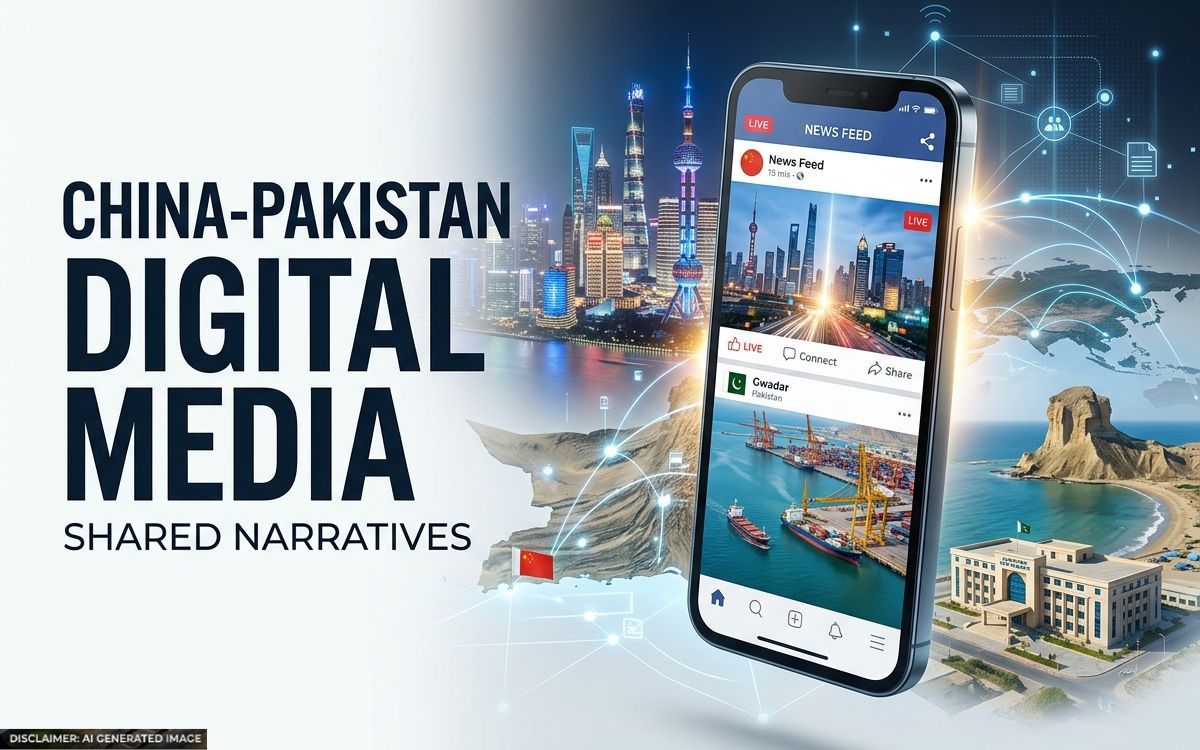
Digital media can also provide opportunities to address stereotypes surrounding China and CPEC that continue to circulate in some international discussions. Topics such as energy projects, industrial cooperation and professional training can be presented through short videos, interactive explainers, infographics and podcasts. Pakistani journalists who have studied in China or visited CPEC sites can share their experiences in local languages, while Chinese content creators can introduce their audiences to the cultural richness and diversity of Pakistani cities and villages. Such exchanges can help audiences understand these issues through firsthand experiences rather than relying only on conventional statements or reports.
China’s digital transformation also offers valuable lessons for Pakistani media. Platforms such as Bilibili and Douyin demonstrate how innovative formats can engage younger audiences while presenting informative content. China’s use of online education to reach rural communities also provides models that could be adapted for Pakistani audiences to explain CPEC-related technologies, climate-friendly practices and agricultural innovations. This form of communication can make information more accessible while encouraging participation and building greater public trust.
Another important area is digital innovation in cross-border academic cooperation. Webinars and digital archives can help scholars from both countries collaborate on research covering communication, development and regional integration. A China-Pakistan Digital Media Lab could potentially monitor online opinions and social trends while training future journalists to understand sensitive issues within global discourse. Such platforms could contribute to the development of a shared intellectual foundation for future cooperation.
The influence of newspapers and television can also be combined with the reach of social media through integrated newsrooms. For example, a major Pakistani news organisation could jointly produce a documentary with a Chinese media organisation, with the same footage later adapted into short episodes for TikTok or Douyin. This multi-platform approach can ensure that audiences of different ages receive information in formats suited to their preferences while maintaining a connection between traditional and digital journalism.
Building digital narratives is about more than promotional communication. It can create new platforms for cultural exchange and shared creativity. Joint music videos, travel content, gaming projects and virtual tourism initiatives could introduce Chinese audiences to Pakistani heritage while allowing young Pakistanis to explore China’s modern culture. Similarly, China-Pakistan startup forums and virtual exhibitions could highlight opportunities in e-commerce, artificial intelligence, green energy and vocational education.
The next stage of China-Pakistan cooperation will be shaped not only by projects developed on the ground but also by the stories shared online. Digital media gives both societies an opportunity to develop these narratives collaboratively, using their own voices with accuracy, creativity and mutual respect. By combining the credibility of conventional media with the dynamism of digital platforms, China and Pakistan can build a communication ecosystem capable of strengthening people-to-people connections and supporting cooperation in the digital age.