Commerce Ministry Launches Transit Trade Policy to Boost Gwadar Connectivity
Pakistan’s Ministry of Commerce has introduced a new legal framework to regulate transit trade through the country, marking a significant step toward improving cross-border logistics and enhancing regional connectivity, particularly with Iran. The initiative is expected to streamline trade flows and reinforce Pakistan’s position as a key transit hub in the region.
The framework, titled the Transit of Goods through Territory of Pakistan Order 2026, was officially issued on April 25 and came into immediate effect. Promulgated under the 2008 bilateral agreement between Pakistan and Iran on international road transport, the order establishes a comprehensive regulatory structure governing the movement of goods across Pakistan’s territory.
The policy clearly defines key operational components of transit trade, including cross-stuffing procedures, customs security requirements, shipper responsibilities, and transit protocols. It also formalises the definition of transit as the movement of goods through Pakistan when such movement forms only part of a journey that begins and ends outside the country.
Under the new framework, all transit cargo will be regulated in accordance with the Customs Act, 1969, alongside rules and procedures outlined by the Federal Board of Revenue. This standardised approach is aimed at ensuring compliance, transparency, and efficiency for traders, logistics providers, and transport operators.
A notable feature of the policy is the formal designation of multiple transit corridors linking Pakistan’s ports with inland and border routes. These include Gwadar-Gabd and Karachi/Port Qasim-Gabd corridors, as well as routes passing through key locations such as Turbat, Panjgur, Khuzdar, Quetta, and Taftan. These corridors are expected to facilitate smoother trade flows Iran and onward regional markets.
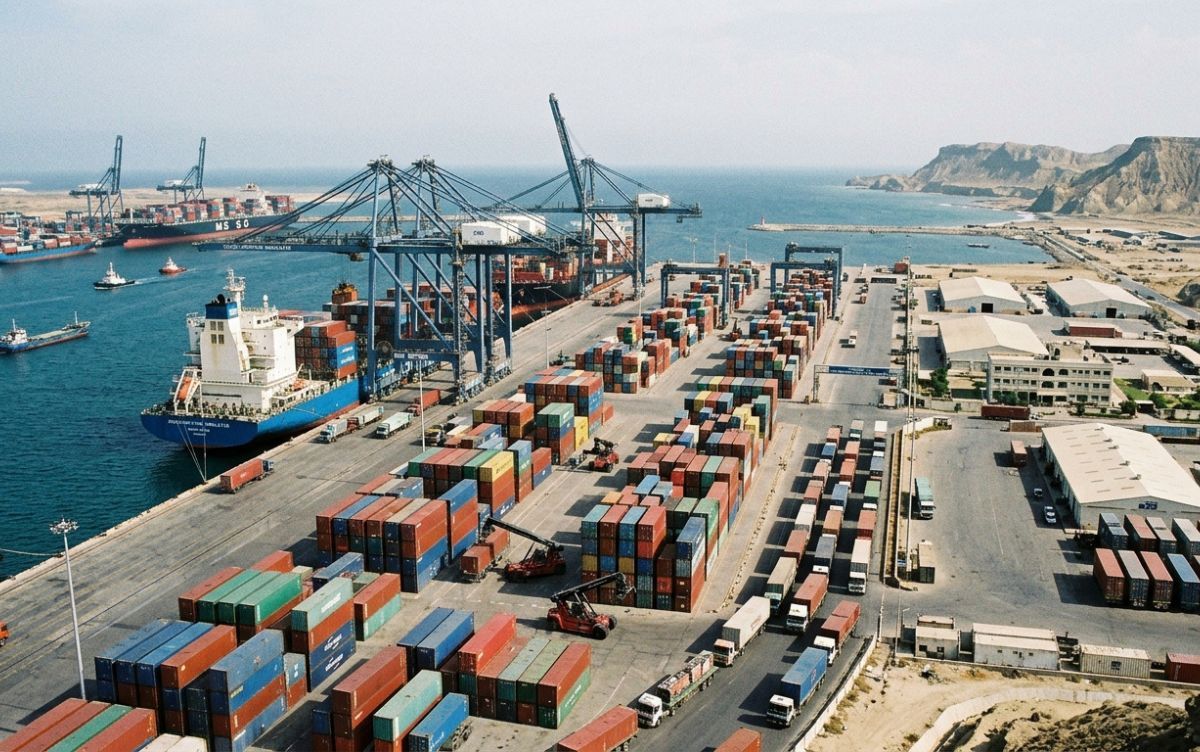
The framework highlights the growing strategic importance of Gwadar Port within Pakistan’s trade ecosystem. Due to its proximity to the Iranian border and its location along major maritime routes, Gwadar presents a shorter and potentially more cost-effective gateway for transit trade compared to traditional routes via Karachi.
Industry stakeholders believe the new policy will help reduce procedural bottlenecks, improve operational clarity, and attract increased transit volumes, particularly as regional supply chains continue to evolve. By simplifying regulatory processes, Pakistan aims to position itself as a more competitive and reliable transit corridor.
In parallel, the Gwadar Port Authority has emphasised a range of commercial incentives to support transit operations at the port. These include extended free storage periods and comparatively lower handling charges, designed to attract greater cargo volumes and enhance Gwadar’s competitiveness as a regional transshipment hub.
Beyond trade facilitation, the development is expected to generate broader economic benefits, particularly for Balochistan. Increased logistics activity is likely to create employment opportunities, stimulate local businesses, and drive infrastructure development around Gwadar, reinforcing its role as a key engine of regional growth.