Pakistan, China unveil five-point peace plan for Middle East stability
China and Pakistan have jointly introduced a comprehensive five-point initiative aimed at restoring peace and stability in the Gulf region and the wider Middle East, as geopolitical tensions continue to escalate involving the United States, Israel, and Iran.
The proposal, outlined in an Op-Ed by Chinese Ambassador Jiang Zaidong, was formally issued in Beijing on March 31 following close diplomatic coordination between the two longstanding allies. The initiative underscores a shared commitment to de-escalation and constructive engagement during a period of heightened regional uncertainty.
At the core of the plan are five key measures: an immediate ceasefire, the early resumption of peace negotiations, protection of civilian infrastructure, safeguarding of maritime shipping routes, and strict adherence to the principles of the United Nations Charter. Together, these steps are intended to create a foundation for lasting stability while addressing urgent humanitarian and economic concerns.
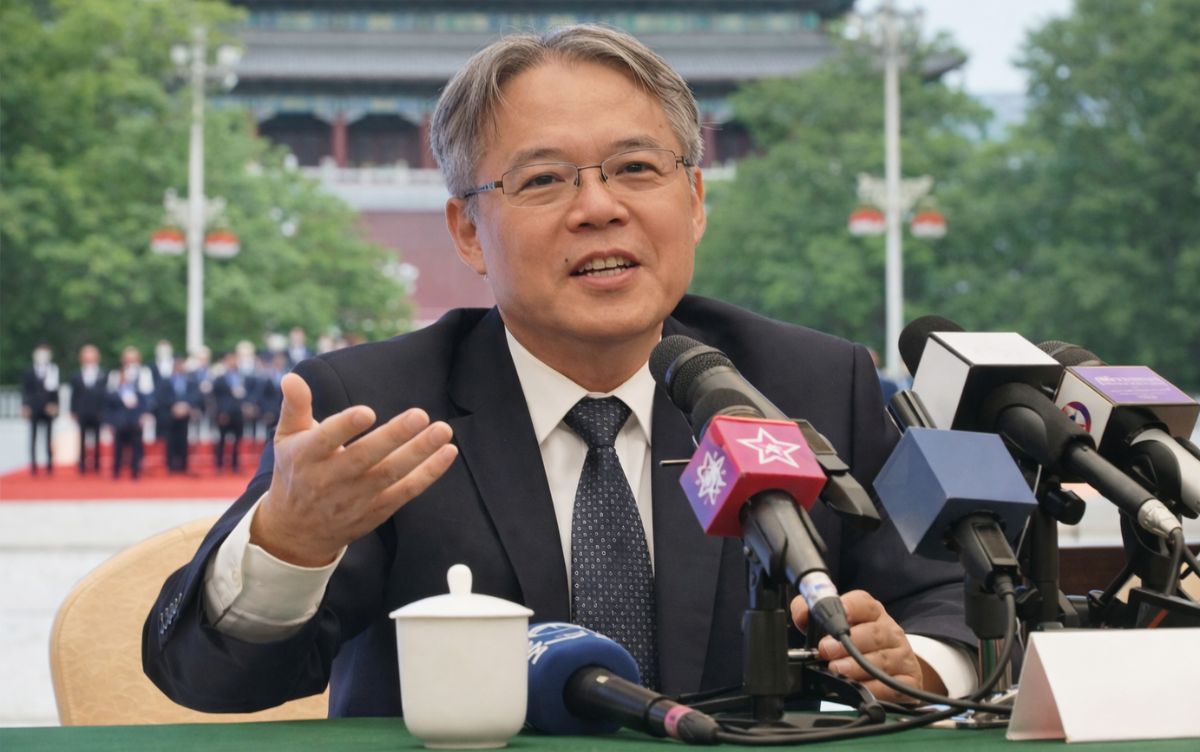
Ambassador Jiang noted that the initiative reflects not only the aligned perspectives of Beijing and Islamabad but also resonates with broader international expectations for peace. He highlighted that the proposal has already garnered widespread attention and support from multiple countries and global institutions.
Describing China and Pakistan as “iron-clad friends,” the ambassador emphasised their history of close cooperation on regional and international matters. Since the onset of tensions involving the US, Israel, and Iran, China has actively engaged with relevant stakeholders to promote ceasefire efforts and encourage dialogue, while Pakistan has played a facilitating role in mediation and diplomatic outreach.
Both countries have maintained continuous engagement through diplomatic channels in Beijing and Islamabad, as well as through active participation at the United Nations Security Council. Their foreign ministers have also held several discussions to align strategies and reinforce efforts toward de-escalation.
The initiative is further linked to Chinese President Xi Jinping’s Global Governance Initiative, which promotes multilateralism, sovereign equality, and adherence to international law. Pakistan has expressed consistent support for this framework, including during engagements at the Shanghai Cooperation Organisation summit in Tianjin.
According to the ambassador, the five-point plan represents a constructive step toward mobilising international consensus for peace and stability. He reiterated that military solutions cannot resolve complex geopolitical conflicts, stressing that dialogue and diplomacy remain the only viable paths forward.
He also warned that prolonged instability in the region could have far-reaching implications, particularly for global energy supplies and international trade routes, making timely intervention all the more critical.
Looking ahead, China and Pakistan are expected to further strengthen their bilateral coordination as they commemorate 75 years of diplomatic relations. Both countries remain committed to advancing cooperation, supporting global governance reforms, and contributing to international peace and justice through sustained diplomatic engagement.