Zardari Urges Swift Implementation of China MoUs
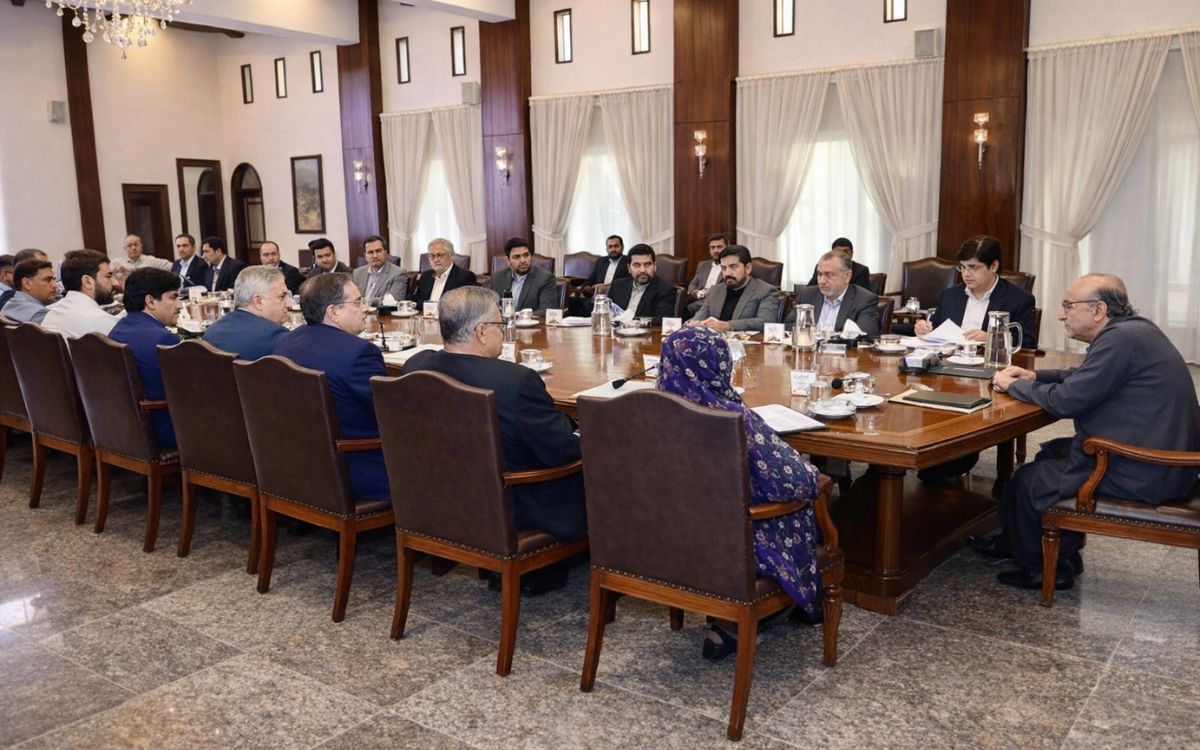
Asif Ali Zardari was briefed on the progress of multiple Memoranda of Understanding (MoUs) signed during his recent visit to China, in a high-level meeting held at the Chief Minister House in Karachi.
The detailed briefing highlighted advancements in collaborative initiatives between Sindh and Chinese partners, particularly in priority sectors such as infrastructure development, energy generation, and modern agricultural practices. These sectors remain central to Pakistan’s broader strategy of economic revitalization and regional connectivity.
During the session, the President emphasized that these agreements must translate into measurable and timely outcomes. He underscored the importance of setting clear implementation timelines, ensuring strong institutional coordination, and maintaining consistent follow-up mechanisms to avoid delays.
President Zardari noted that Pakistan’s strategic partnership with China offers a significant opportunity to upgrade infrastructure, boost industrial productivity, and support long-term socio-economic development. He stressed that maximizing these benefits requires proactive governance and efficient execution at all administrative levels.
Addressing key challenges, he called for the removal of bureaucratic hurdles, enhanced transparency in project execution, and improved facilitation for investors. These measures, he said, are essential to accelerate progress and maintain investor confidence in ongoing and future initiatives.
The briefing covered a wide range of collaborative areas, including fire safety systems, emergency response infrastructure, energy and fertilizer production, livestock development, and agricultural innovation. Updates were also shared on environmental management projects, recycling technologies, and initiatives aimed at improving food security and disease control in livestock.
President Zardari directed all relevant departments to strengthen coordination with their Chinese counterparts through structured monitoring systems. He highlighted that effective communication and regular oversight would be critical in ensuring the success of these joint ventures.
He further stressed that sustained collaboration between federal and provincial authorities, alongside Chinese partners, will determine the long-term impact of these agreements. Strong intergovernmental alignment, he noted, is key to delivering on the full potential of Pakistan-China cooperation.
The meeting was attended by senior officials, including Syed Murad Ali Shah, Faryal Talpur, and Asim Hussain, along with provincial ministers, secretaries, and other key stakeholders.