CPEC Powers Jobs, Infrastructure as China-Pakistan Partnership Turns 75
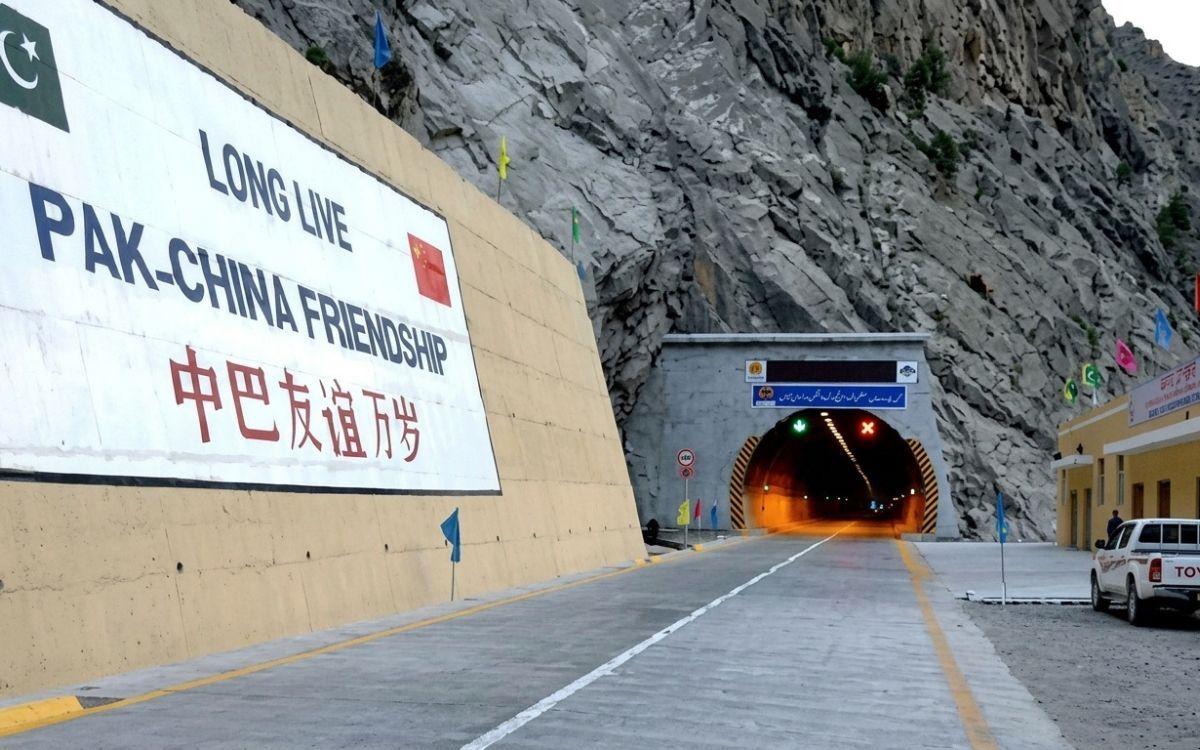
As Pakistan and China celebrate 75 years of diplomatic relations, their enduring “all-weather strategic cooperative partnership” continues to deliver transformative economic results. A key driver of this progress is the China-Pakistan Economic Corridor (CPEC), which has generated over $25.93 billion in investments, created more than 261,000 jobs, and significantly improved Pakistan’s infrastructure landscape.
According to official data released by the Chinese Embassy in Islamabad, CPEC — a flagship initiative under the Belt and Road Initiative — has added over 8,000 megawatts of electricity to Pakistan’s national grid. Additionally, it has facilitated the construction of more than 510 kilometres of roads and the installation of 886 kilometres of key transmission lines, strengthening connectivity and energy distribution across the country.
At the heart of CPEC lies Gwadar, which has rapidly evolved into a central hub for trade and logistics. Major developments at Gwadar Port now include deep-water berths capable of handling large cargo ships and oil tankers. Meanwhile, the New Gwadar International Airport stands as a state-of-the-art facility designed to accommodate some of the world’s largest aircraft, further enhancing regional connectivity.
Beyond infrastructure, CPEC has also delivered substantial social benefits to local communities. The China-Pakistan Friendship Hospital has provided treatment to over 350,000 patients, improving access to healthcare in the region. A seawater desalination plant producing around 3,000 tonnes of fresh water daily has helped address water scarcity, while solar energy initiatives have provided sustainable power solutions to more than 10,000 households.
Education and skill development have also been key priorities. The Chinese-supported Technical and Vocational Institute Gwadar offers thousands of training opportunities each year, equipping local youth with valuable technical skills. Additionally, several schools in Gwadar have been upgraded to expand access to quality education.
Across Pakistan, CPEC projects continue to drive development in multiple sectors, including energy, transport, and industry. In Punjab, the Sahiwal Coal Power Plant and Karot Hydropower Plant have significantly strengthened electricity supply, while the Lahore Orange Line Metro has improved urban mobility.
In Sindh, investments in nuclear and wind energy projects have enhanced power generation capacity, alongside major infrastructure such as the Sukkur Multan Motorway, which has reduced travel times and improved regional connectivity. Meanwhile, in Khyber Pakhtunkhwa, the Suki Kinari Hydropower Project produces 884 megawatts of clean energy, reducing reliance on fossil fuels by saving an estimated 1.28 million tonnes of coal and cutting carbon emissions by 3.2 million tonnes annually.
Overall, CPEC stands as a testament to the strength of Pakistan-China relations, driving economic growth, enhancing infrastructure, and creating sustainable opportunities for the future.