Shehbaz Sharif Chairs New Trade Facilitation Board to Boost Exports
Prime Minister Muhammad Shehbaz Sharif has approved the establishment of a Trade Facilitation Board, which he will personally chair, to streamline trade processes and address non-tariff barriers affecting cross-border commerce. The decision marks a significant policy intervention aimed at removing bureaucratic bottlenecks and enhancing Pakistan's competitiveness in international trade.
Chairing a high-level meeting on trade facilitation, the Prime Minister emphasized that the board would work comprehensively to improve the entire trade supply chain and resolve persistent issues faced by businesses in cross-border trade. The establishment of the board reflects the government's commitment to creating a business-friendly environment that encourages exports and attracts foreign investment.
The Trade Facilitation Board will be tasked with preparing a detailed roadmap for trade promotion, formulating a Trade Facilitation Index to benchmark performance, and establishing a robust mechanism to monitor progress across all trade-related domains. These initiatives are designed to bring transparency, efficiency, and predictability to Pakistan's trade ecosystem.
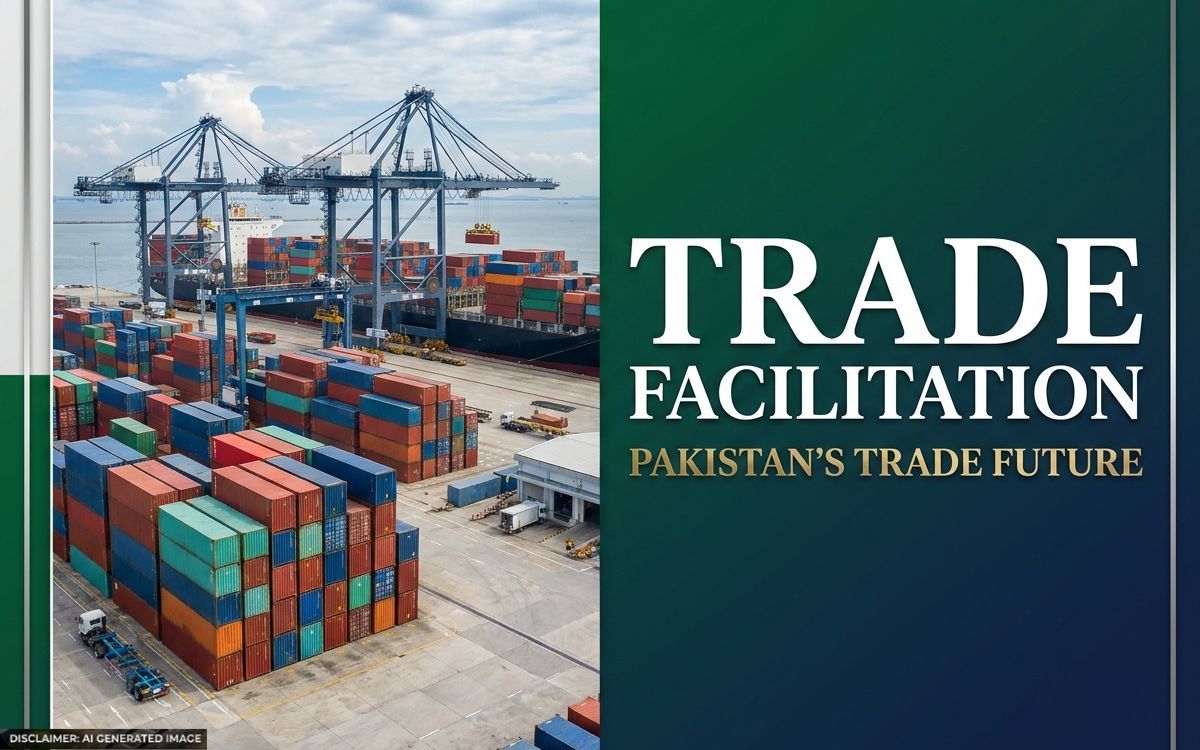
During the meeting, the Prime Minister directed authorities to urgently enhance port capacity and establish dedicated working groups focusing on port infrastructure, inter-departmental coordination, regulatory compliance, pre-arrival clearance systems, and greater participation of small and medium-sized enterprises in international trade. These working groups are expected to deliver actionable recommendations within stipulated timelines.
The Prime Minister also ordered simplification of transportation, clearance, and other procedures for importers and exporters, recognizing that cumbersome processes have long been a deterrent to trade growth. Streamlining these procedures is expected to reduce transaction costs, improve turnaround times, and make Pakistani products more competitive in global markets.
The meeting was informed that ongoing reforms had already resulted in reduced port charges and improved port utilization, signaling early success in the government's trade facilitation agenda. Additionally, the submission of Goods Declarations before vessel arrival is being expanded to accelerate clearance processes, a move that will significantly reduce dwell times at ports and enhance supply chain efficiency.
As Pakistan seeks to achieve its ambitious export targets, the Trade Facilitation Board is poised to play a pivotal role in removing structural impediments, fostering cross-border commerce, and positioning the country as a preferred trading partner in the region.