Maritime Reforms Transform Pakistan into Regional Trade and Logistics Powerhouse
Pakistan's maritime sector is being transformed into a new hub for international trade, investment and economic growth under the comprehensive reform agenda spearheaded by the Prime Minister's Task Force on Maritime Reforms. This ambitious initiative aims to unlock the vast potential of Pakistan's 1,050-kilometer coastline, positioning the country as a competitive player in global shipping and logistics.
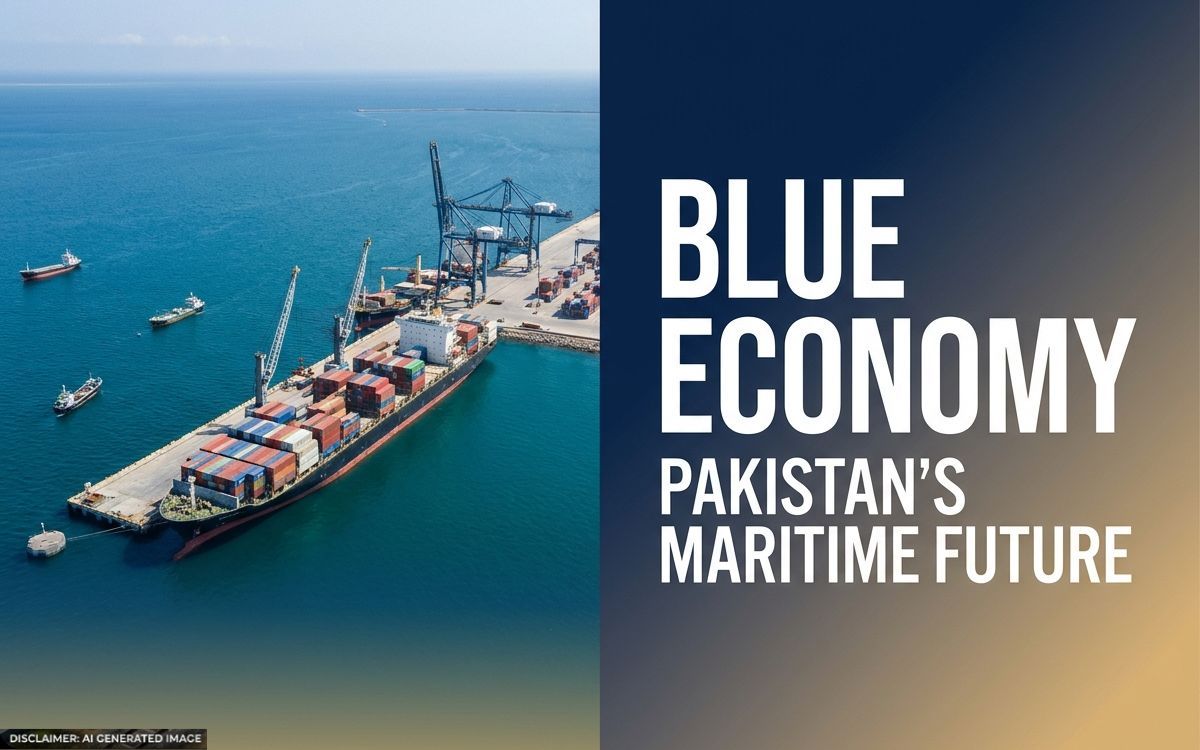
According to the reform agenda, approximately 90 percent of Pakistan's imports and exports are currently transported through foreign shipping companies—a dependency that the government is actively addressing through strategic modernization efforts. Karachi Port, Port Qasim and Gwadar Port are undergoing significant upgrades to strengthen the country's role in global trade and logistics networks, reducing reliance on foreign carriers and enhancing national shipping capacity.
Navigation channels at these ports are being deepened to facilitate the arrival of larger, more efficient vessels, a critical step for accommodating the growing scale of international maritime trade. Simultaneously, harbour craft and cargo-handling facilities are being upgraded to improve operational efficiency and reduce turnaround times. The introduction of a Port Community System, web-based customs clearance, faceless customs operations, real-time container tracking, and round-the-clock customs services is set to make cargo clearance faster, more transparent, and significantly more business-friendly.
Connectivity between ports and industrial areas, warehouses, and inland markets is also receiving focused attention. The National Logistics Corporation (NLC) services, the KPT Pipri railway link, barge operations, and multimodal transportation networks are being improved to ensure seamless movement of goods from ship to shelf. This integrated approach to logistics is expected to reduce supply chain bottlenecks, lower transportation costs, and enhance Pakistan's competitiveness as a regional trade corridor.
The Shipping Policy 2026, transshipment policy framework, private shipping initiatives, and shipbuilding and ship-repair programs are expected to create new opportunities for both domestic and international investment. These policy instruments are designed to attract private capital, foster competition, and build indigenous maritime capabilities that can serve Pakistan's growing trade volumes.
In a landmark achievement, Gwadar Port completed its first international bunkering operation in collaboration with Vitol, a global energy and commodity trading company. The operation supplied 2,500 metric tonnes of locally produced marine fuel to an LNG carrier, marking a significant milestone in Gwadar's evolution as a fully operational port capable of handling complex maritime services.
Beyond traditional port operations, the government is also promoting ship recycling at Gadani, waste management initiatives, shrimp farming, fisheries, and aquaculture to expand Pakistan's blue economy. These sectors offer substantial employment opportunities, foreign exchange earnings, and sustainable utilization of marine resources.
The comprehensive maritime reforms aim to convert modernized ports, improved connectivity, and new investment opportunities into greater maritime and economic strength for Pakistan. As the country positions itself as a pivotal node in global trade routes, the maritime sector is poised to become a key driver of economic growth, job creation, and regional integration.