Gwadar Free Zone Opens New Export Frontier as ECC Greenlights Donkey Meat Shipments
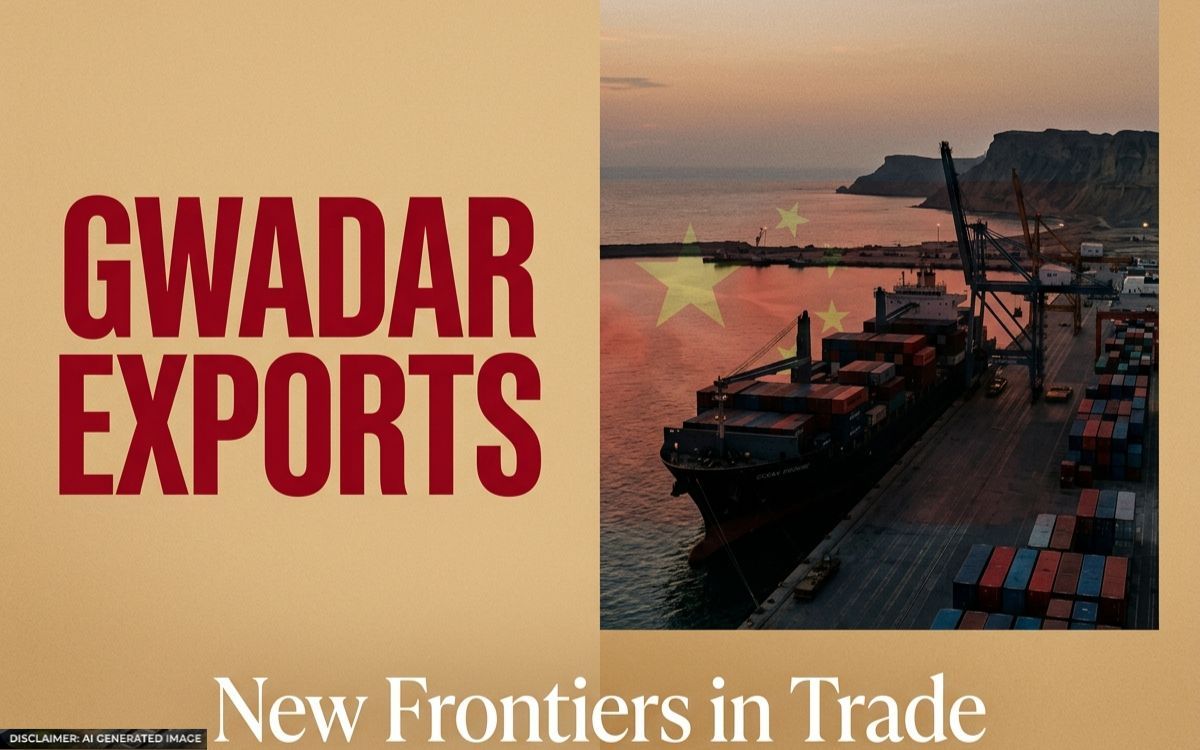
The Economic Coordination Committee (ECC) of the Cabinet has given formal approval for the export of donkey meat and hides from the Gwadar free zone to China, subject to strict safeguards recommended by the Ministry of National Food Security and Research, according to an official announcement issued by the finance ministry.
The decision, made during an ECC meeting chaired by Minister for Finance and Revenue Senator Muhammad Aurangzeb at the Finance Division, positions Gwadar as a new export hub for a niche but lucrative commodity. Pakistan stands to earn millions of dollars in foreign exchange from the trade, which will be conducted under a controlled arrangement designed to ensure quality standards and regulatory compliance.
Under the approved framework, the Ministry of National Food Security and Research has proposed establishing dedicated farmhouses for raising donkeys, setting up specialized slaughtering facilities within the Gwadar free zone, and channeling all exports of meat and hides from there to Chinese markets. The approval comes amid surging demand for donkey meat and hides in China, where the products are used in traditional medicine, leather goods, and culinary applications.
The ECC's decision also follows reports of illicit attempts to smuggle donkey hides from Pakistan and other countries, including African nations, to meet Chinese demand. In the past, authorities have foiled several such smuggling operations, underscoring the need for a regulated, transparent export mechanism that ensures traceability and quality control while curbing illegal trade.
Beyond the donkey export approval, the ECC addressed several other high-priority agenda items during the meeting. The committee considered a Cabinet Division summary seeking a technical supplementary grant (TSG) of Rs12.6 billion for the purchase of bulletproof vehicles to be used for the movement of heads of state during the Shanghai Cooperation Organisation (SCO) Summit, which Pakistan is scheduled to host in September 2027.
After detailed deliberations, the ECC approved a TSG of Rs6.6 billion for the procurement of 30 bulletproof vehicles and directed the Cabinet Division to revert with any additional requirement. The committee also ordered an in-depth need analysis before any further demand is submitted, ensuring fiscal discipline in security-related expenditures.
The ECC deferred a summary from the Ministry of National Food Security and Research seeking approval of minimum indicative prices (MIPs) for tobacco and revision of cess rates for the fiscal year 2026-27. The committee directed the ministry to resubmit the proposal with a more detailed and justifiable analysis, signaling the government's emphasis on evidence-based policymaking.
In the energy sector, the ECC approved the continuation of gas supply to FatimaFert and Agritech until September 30, 2026, under the existing arrangement, providing relief to the fertilizer industry and ensuring uninterrupted production during the ongoing agricultural season. The committee also approved Rs5 billion as seed money for the Daanish Schools Authority Fund through a technical supplementary grant, to be maintained under an endowment framework aimed at ensuring long-term sustainability of the education initiative.
The committee reviewed progress on the Pakistan Skills Impact Bond (PSIB), a innovative financing mechanism for skills development, and set September 30, 2026, as the deadline for the Ministry of Federal Education and Professional Training to share substantive progress on the initiative. The extension of the government's guarantee was also discussed, reflecting the administration's commitment to result-oriented human capital development.
The ECC meeting was attended by Federal Minister for Planning, Development and Special Initiatives Ahsan Iqbal; Federal Minister for National Food Security and Research Rana Tanveer Hussain; Federal Minister for Investment Qaiser Ahmed Sheikh; Federal Minister for Petroleum Ali Pervaiz Malik; and Adviser to the Prime Minister on Industries and Production Haroon Akhtar Khan, along with federal secretaries and senior officials from relevant ministries, divisions and regulatory authorities. The high-level attendance underscores the strategic importance of the decisions taken, particularly those related to Gwadar's emerging role in Pakistan's export diversification strategy.